Tile & Grout Cleaning
Tile & Grout Cleaning
Tile floors are built to last. The tile itself resists scratches, moisture, and everyday wear. Grout is another story. The cement-based material between tiles is porous, and once dirt, grease, or soap scum works its way in, no amount of mopping brings the color back. The floor still looks dull even after it has been cleaned.
Super Clean Carpet Cleaning provides tile and grout cleaning for homes and businesses in Idaho Falls and the Treasure Valley. Our high-pressure extraction process reaches the contamination that has settled into the grout lines. If your tile floors have lost their brightness, we can restore them.
What Makes Grout Different From Tile
Tile and grout are two different materials, and they age differently. Tile is fired at high temperatures. It is dense, moisture-resistant, and does not absorb much of anything. Grout is a mix of cement, sand, and water. It cures into something that looks solid but stays porous underneath.
That porosity is why grout is the surface that shows its age first. Every spill, footstep, and drop of moisture that lands on the floor can seep into the grout. The tile above it looks fine. The grout between the tiles darkens and holds onto whatever has worked its way in.
If you have carpet in other rooms that needs the same level of deep cleaning, our carpet cleaning service uses similar extraction principles. For furniture that sits on or near tile floors, our upholstery cleaning service restores the fabric. And for homes with pets that track debris across hard surfaces, our pet stain and odor removal service handles the source of the problem.
What Happens to Grout Over Time
Inside a home, the sources of grime are constant. Cooking oils become airborne in the kitchen and settle on the floor. Soap scum and hard water minerals build up in showers and bathrooms. In entryways, outdoor dirt and road treatments get tracked inside every day. None of it disappears. It goes into the grout and stays there.
Mopping can actually make the problem worse. Dirty water spreads across the floor and some of it settles into the grout. When the water evaporates, the residue stays behind. Over months and years, the grout darkens and no amount of surface cleaning brings back the original shade.
That buildup does more than look bad. It becomes a surface for mildew and bacteria in damp areas like showers and bathroom floors. It also traps allergens that get stirred up when the floor is walked on.
Where We Clean Tile and Grout
Different rooms have different problems. We adjust our approach based on where the tile is and what has accumulated there.
Kitchens. Grease settles on the floor with every meal. Over time, it works into the grout and turns it dark and sticky. Kitchen grout is often the hardest to clean without professional equipment.
Bathrooms. Showers and bathroom floors stay damp, which encourages mildew and soap scum. Hard water leaves mineral deposits that stain the grout and dull the tile.
Entryways. Road salt, mud, and outdoor dust get tracked in daily. Entryway grout absorbs all of it and darkens faster than grout in any other room.
Commercial spaces. Restaurants, retail stores, and office lobbies all deal with high foot traffic. Tile floors in these spaces need regular professional cleaning to stay presentable.
The Cleaning Process
We start by inspecting the floor. Different tile types require different care — natural stone is more porous than ceramic or porcelain and cannot handle the same pressure or chemicals. We confirm the material before we choose our method.
Once we know what we are working with, we pre-treat the grout. A cleaning solution goes down to break up grease, soap scum, and mineral deposits. For areas with mildew, we use specialized treatments.
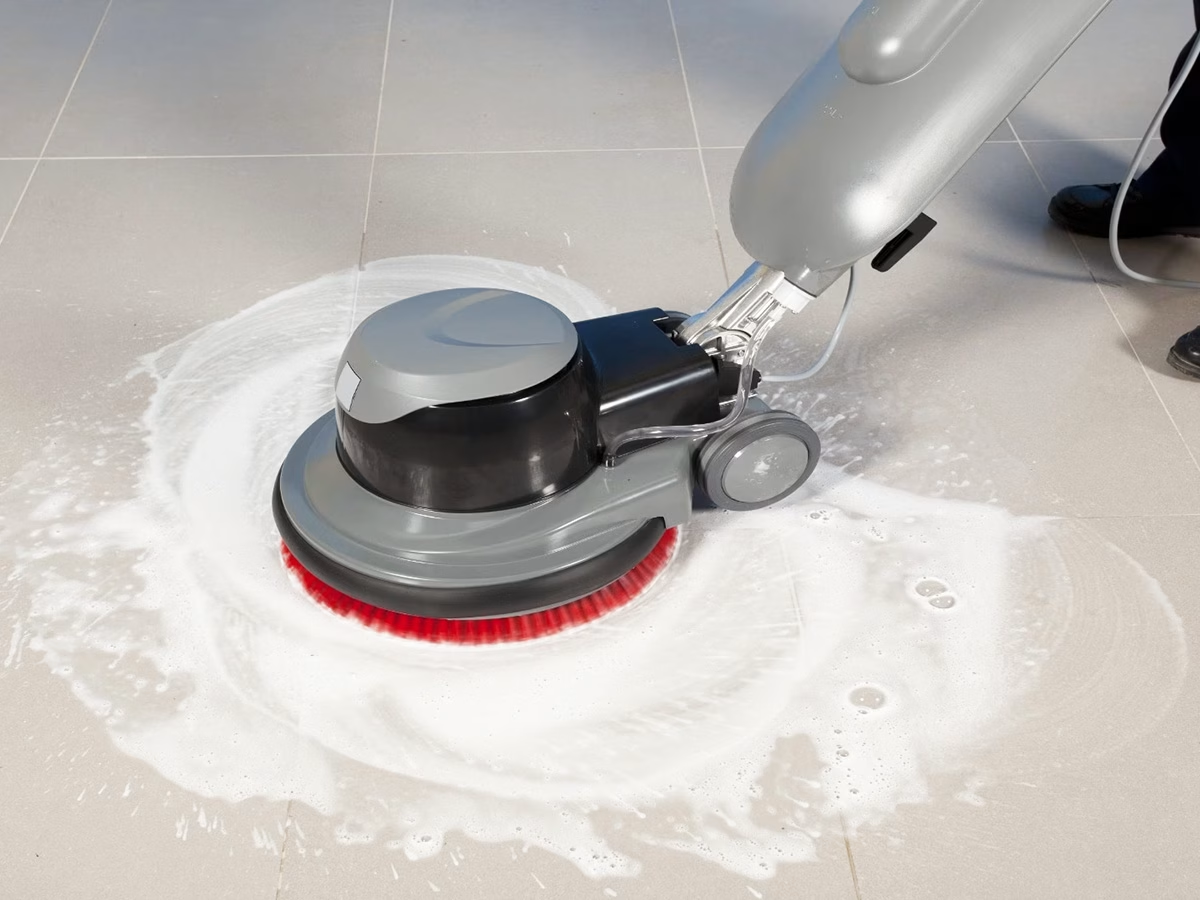
Then we agitate the grout lines. A brush or pad works the solution into the porous surface and loosens the embedded dirt.
The core of the process is high-pressure hot water extraction. Heated water is injected into the grout at high pressure, then immediately extracted along with the loosened soil. This is what restores the grout’s color and removes the residue that mopping leaves behind.
For floors that will see continued heavy use, we offer optional grout sealing. The sealant fills the pores in the grout and helps prevent future staining. It also makes routine cleaning easier because dirt cannot penetrate as deeply.
We finish with a walkthrough to confirm the results and address any remaining spots.
Understanding Different Tile Types
Not every tile floor is the same. Here is how we handle the common materials.
Ceramic and porcelain. The most common tile flooring. Durable and moisture-resistant. The grout between tiles still absorbs stains, but the tile itself handles standard cleaning methods well.
Natural stone. Marble, travertine, slate, and granite are more porous than ceramic. They require gentler cleaning solutions and lower pressure. Using the wrong method on natural stone can damage the surface.
Quarry tile. Common in commercial kitchens and utility rooms. Heavily textured and tends to hold onto grease. It often needs more aggressive pre-treatment than residential tile.
Grout lines. Regardless of the tile type, the grout is where the visible dirt accumulates. Our cleaning focuses on restoring the grout’s original color.
What Determines the Price
Several factors affect the cost of tile and grout cleaning:
-
Square footage. Larger areas take more time and more cleaning solution.
-
Grout condition. Heavily soiled grout needs more pre-treatment and may require multiple passes.
-
Tile type. Natural stone requires gentler methods and sometimes specialized products.
-
Accessibility. Tight spaces, furniture, and hard-to-reach areas add time.
-
Sealing. Grout sealing is priced separately if you choose to add it.
We provide a quote before we start. No surprises.
How to Prepare for Your Appointment
Before we arrive, clear the floor of small items, rugs, and furniture. Sweep or vacuum loose debris. Note any areas with heavy staining or damage so we can focus on them.
After we leave, keep traffic off the floor until it is fully dry. If you chose sealing, wait 24 hours before walking on the sealed grout. Use a pH-neutral cleaner for routine mopping to preserve the results, and avoid harsh chemicals that can damage the grout or the sealant.
Areas We Serve
Super Clean Carpet Cleaning serves Idaho Falls and communities across the Treasure Valley. Our team brings decades of combined experience to every job. We provide tile and grout cleaning along with carpet cleaning, upholstery cleaning, and pet stain and odor removal across the region.
Our service area includes:
If you are not sure whether we serve your area, give us a call at (208) 552-5865.
Frequently Asked Questions
How often should tile and grout be professionally cleaned?
Most homes benefit from professional cleaning every 12 to 18 months. Homes with heavy traffic, pets, or children may need it more often.
Can you remove all stains from grout?
Most stains come out with professional cleaning. Very old stains, or stains caused by chemical spills or dye, may leave some discoloration. We tell you what to expect before we start.
Will cleaning damage my tile?
No. We adjust our methods based on the tile type. Natural stone gets gentler treatment than ceramic or porcelain.
Do you seal the grout after cleaning?
Sealing is available as an add-on. It helps protect the grout from future staining and makes routine cleaning easier.
How long does the floor take to dry?
Most floors dry within a few hours. Sealed grout should cure for 24 hours before heavy use.
Do you clean tile in showers and bathrooms?
Yes. Showers, bathroom floors, kitchen floors, and entryways are all common service areas.
Do you offer carpet cleaning too?
Yes. We provide carpet cleaning, upholstery cleaning, and pet stain and odor removal alongside tile and grout service.
Proudly Serving Idaho Families
Super Clean Carpet Cleaning proudly serves homeowners throughout:
Idaho Falls • Boise • Nampa • Meridian • Treasure Valley • Shelley • Rexburg • Driggs • Victor • Rigby • Ammon • Iona • And surrounding Idaho communities
If you're unsure whether you're within our service area, just give us a call—we're always happy to help.